How we use Glaze at Raycast

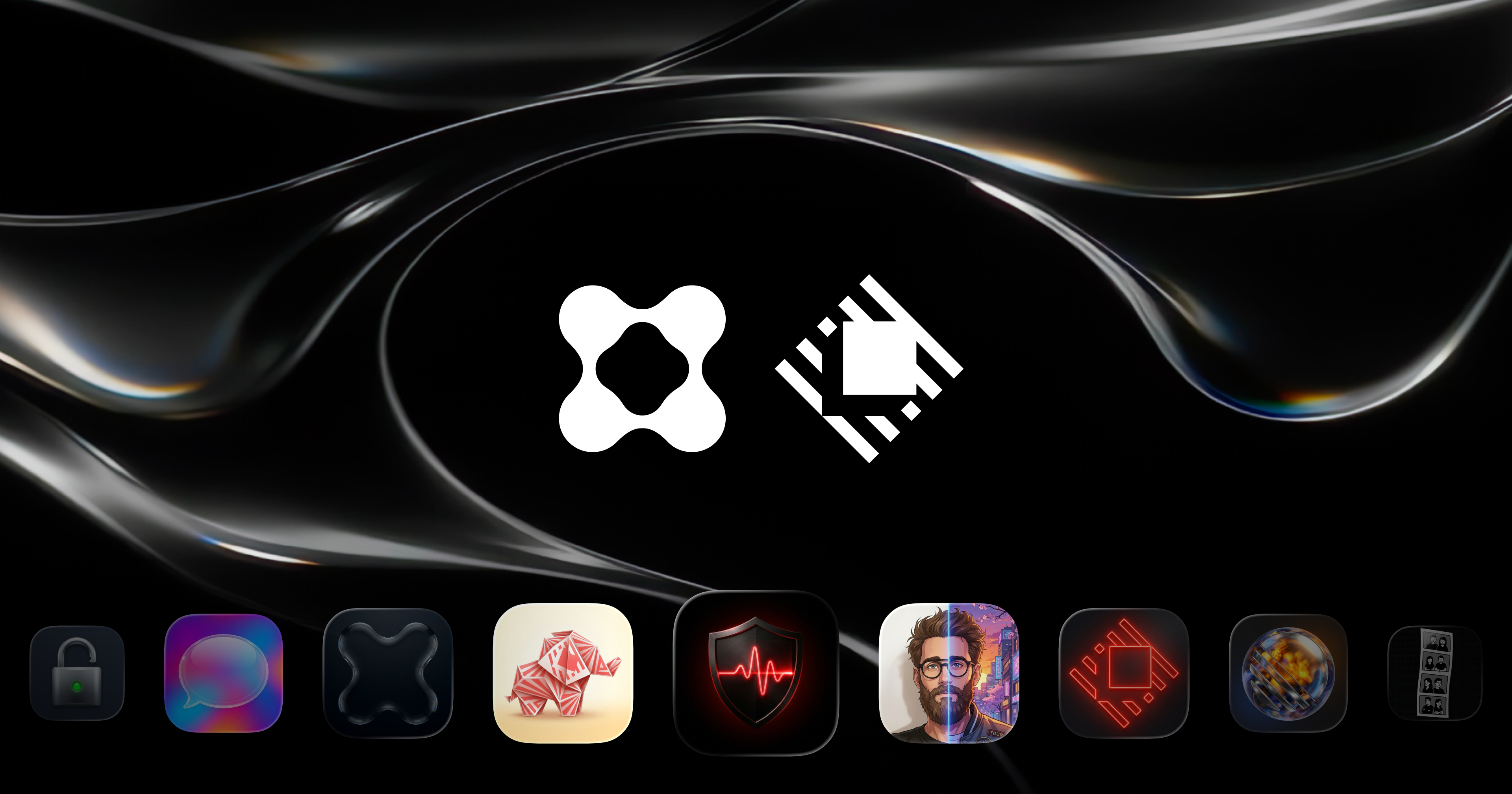
We didn't build Glaze in a vacuum. Long before we opened it up to everyone, our own team was using it every day. At this point, there are dozens of Glaze apps running inside Raycast, built by engineers, designers, support folks, and people who never wrote a line of code.
This post is a quick tour of some apps we use internally, and why we keep building more of them.
Why we build our own tools
Every team ends up with the same problem: the tools you buy are built for the average company. You either bend your workflow to fit the tool, or you stitch together five browser tabs and a spreadsheet.
Glaze gives us a third option. When something in our workflow feels clunky, someone describes the app they wish existed, and a few minutes later it exists. A real app that connects to the tools we already use: GitHub, Sentry, Notion, our own database. Best of all, it's shaped around exactly how we work. Not the average. Us.
That last part matters. These apps don't replace our existing stack, they sit on top of it. The data stays where it is. Glaze just gives us a better window into it. And honestly, making the everyday work a little faster is where teams win the most.
The apps that run Raycast
Some apps are useful for the whole company. Dashboards that show our key metrics at a glance, so anyone can check how we're doing without digging through analytics tools. Little utilities that answer the questions we ask each other every week. They live in the dock, they're one click away, and they've quietly replaced a bunch of bookmarked browser tabs.
Product and Engineering
Engineering has been the most eager group, which probably doesn't surprise anyone. Three apps stand out:
Mini Linear. A small, highly polished tracker we built to coordinate the Glaze public beta launch. Everyone working on Glaze is in it, and triaging a task is a single drag. With one shared view of the launch, nothing slips through and nobody has to ask what's left to ship.
RayDB. Raycast stores its data in a local, encrypted database. We use a custom encryption setup that most database apps out there can't open. RayDB deals with the encryption automatically and gives us a viewer built around what we actually look at: sync triggers front and center, quick switching between different builds of Raycast, and a few maintenance actions we run from time to time. When engineers build a feature, they inspect the real data on their machine instead of guessing.
Quality. Connected to Sentry, it condenses the health of our Mac and Windows apps into a single view: how they're doing and which issues to jump on next. Checking crashes went from a chore to a glance, so problems get spotted and fixed sooner.
None of these exist off the shelf, and that's the point. They're built around how Raycast works under the hood, and each one makes the day-to-day a little more focused.
Support
Our support team built a Glaze app connected to GitHub that runs their entire extension review workflow. Every new extension and update to the Raycast Store goes through it: the queue, the checks, the back and forth with authors. What used to be scattered across GitHub tabs is now one focused app.
It's my favorite example of what happens when the people doing the work build the tool. Nobody wrote a spec. The team just kept shaping the app until it matched how they actually review extensions. Reviews move faster, and extension authors hear back sooner.
Sales
We also built our own CRM. That sounds like a crazy thing to say, but hear me out.
We don't need 90% of what a big CRM does. Ours is built on top of Notion, so the data lives where it always has. Glaze just gives us a better way to work with it. Each prospect links to our Front emails and the shared Slack channels we run with them, so the whole story sits in one place. Before a call, nobody digs through inboxes to figure out where a conversation stands. The pipeline is visible to everyone, and follow-ups happen on time. We built exactly what we need and skipped the rest.
How we operate with these apps
A few things we've learned along the way:
- Anyone builds. The best apps came from the people closest to the problem, not from engineers building on their behalf.
- Start small, iterate constantly. Most of these apps began as a single view solving one annoyance. They grew because iterating takes minutes, not sprints.
- Connect, don't replace. Every app plugs into tools we already pay for and trust. Glaze is the layer that makes them feel like ours.
We'll go deeper on the individual apps in future posts. For now, the takeaway is simple: more and more of the software that runs Raycast is software we made ourselves, often in an afternoon, shaped exactly to how we work.
If you want to do the same for your team, Glaze is open to everyone. It's free to start. Let's see what you build. 💠
What will you build?
Available for macOS Tahoe and Apple Silicon
macOS Tahoe and Apple Silicon required